Seasoning Basics: Enhance Your Cooking | Healthy Recipe Spot
Ever wondered what transforms a dish from "good" to "unforgettable"? The answer lies in the art of seasoning. Seasoning is the lifeblood of culinary excellence, with the ability to elevate a humble ingredient into an exquisite culinary experience. This guide will provide a comprehensive overview of the seasoning basics and will take your cooking skills to the next level. Enjoy the journey of discovering the magic of tastes and aromas at Healthy Recipe Spot.
Firstly, let’s put all queries aside by answering some primary questions you might have about the art of seasoning:
What is Seasoning and Why is it Important?
Seasoning is a culinary process that involves adding flavors to food, typically with herbs, spices, salt, and acid (like vinegar and lemon juice). It's one of the simplest and most effective ways to enhance the taste of any dish. Seasoning aims to extract the full potential of the food's flavor profile and harmonize it, making the dish more palatable and desirable.
What are Some Basic Types of Seasonings?
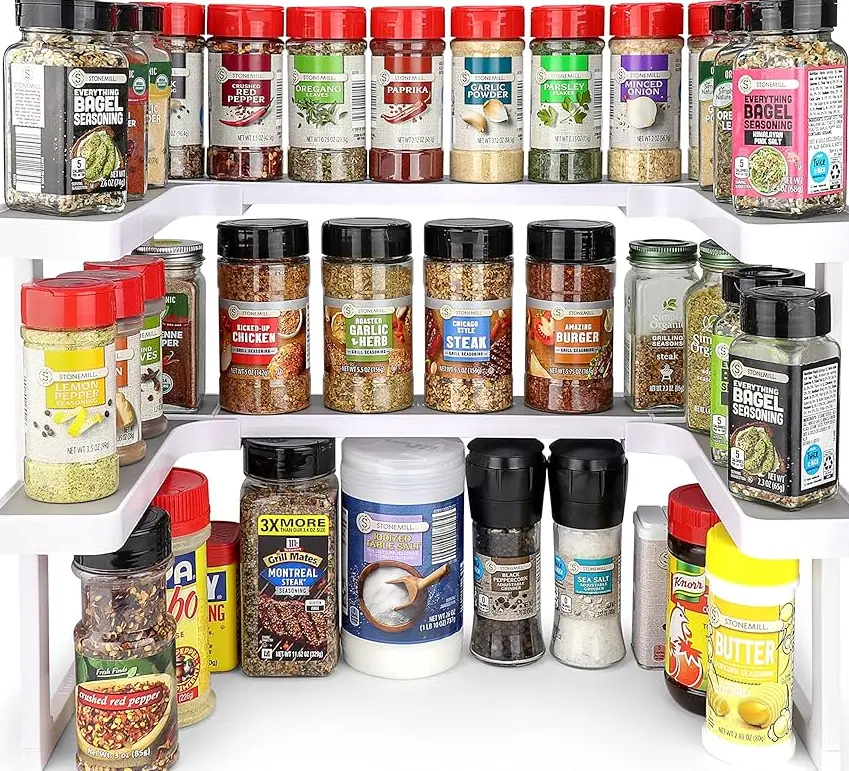
Herbs, spices, salt, and acids are the foundation stones of any seasoning mix. While salt is primarily used to enhance the existing taste of the food and decrease bitterness, herbs and spices add new flavor notes. Acids, such as vinegar and lemon juice, provide balance and brightness to dishes.
How to Balance Flavors with Seasoning?
Balancing flavors is key to achieving a perfectly seasoned dish. Consider the five basic taste profiles: sweet, sour, salty, bitter, and umami (savory). The goal is to make these taste profiles work in unison, so no one flavor dominates the others. Generally, if a dish lacks zest, it might need acidity. If it's too bright or acidic, adding a sweet element might help. Similarly, bitter elements can be offset with sweet or salty components, and umami profiles can be accentuated by adding salt.
What is the Role of Each Spice?
Spices play a significant role in defining the character of a dish. Each spice has its unique flavor profile and health benefits. For example, cumin adds a warm, earthy flavor and helps digestion, while turmeric imparts a peppery, slightly bitter taste and has anti-inflammatory properties. Understanding the flavor and role of each spice will enable you to use them effectively to create magical dishes.
How Can I learn to Season my food correctly?
Practice makes perfect. Start with understanding the flavor profiles of different spices, learn how they complement each other, experiment with different herbs and spices, and learn from your mistakes. Also, tasting and adjusting your food as you cook is the best way to perfect your seasoning skills.
Now that we have some basic understanding of seasoning, let's dive into how to master this art and some amazing recipes you can try at home.
Understanding the Flavor Profiles
Understanding flavor profiles is crucial to mastering the art of seasoning. Start by tasting various herbs and spices on their own. Note down their flavors and think about which foods they might complement. Also, realize that spices can change flavor on cooking – they may become stronger, more subtle, or even reveal new flavor notes.
Experimenting with Seasoning
Don’t hesitate to experiment with different flavors. The kitchen is your canvas, and the spices are your colors. Try adding unexpected spices or seasonings to your usual dishes and see how it changes the flavor. Remember, balance is key – start with small amounts, taste, and adjust.
Recipes to Try at Home
Below are some simple, healthy, and delicious recipes to help you begin your seasoning journey:
-
Herbed Grilled Chicken: Marinate chicken breasts in a mixture of olive oil, lemon juice, minced garlic, fresh rosemary, thyme, salt, and pepper. Grill until perfectly cooked. The herbs create a beautiful crispy crust on the chicken and the lemon juice keeps it moist and juicy.
-
Spiced Lentil Soup: Stir fry cumin, turmeric, chili powder, and a dash of cinnamon in olive oil. Add diced onions and saute until soft. Add lentils, vegetable broth, salt, and let it simmer until lentils are tender. Finish off with a squeeze of lemon juice to bring out the flavors.
Mastering the art of seasoning isn't complicated; it’s simply a matter of understanding the flavors, knowing how to balance them, and not being afraid to experiment. So, bring out your spice rack, roll up your sleeves, and start cooking! With a little practice, you’ll be creating exotic, flavorful, and healthy meals right at home, thanks to the tips from our Healthy Recipe Spot. Bon Appétit!